Photography & illustrations

Image credits.

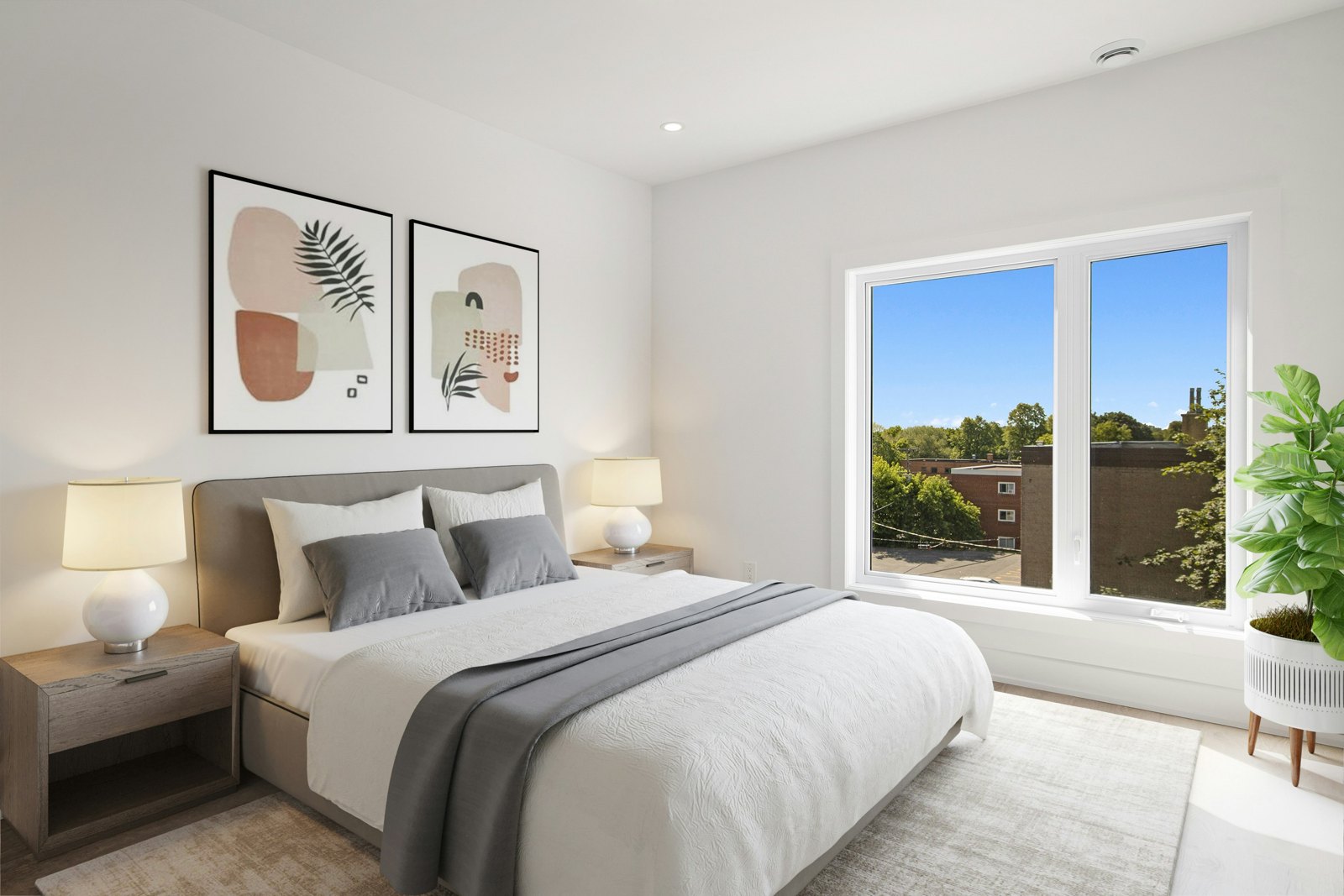
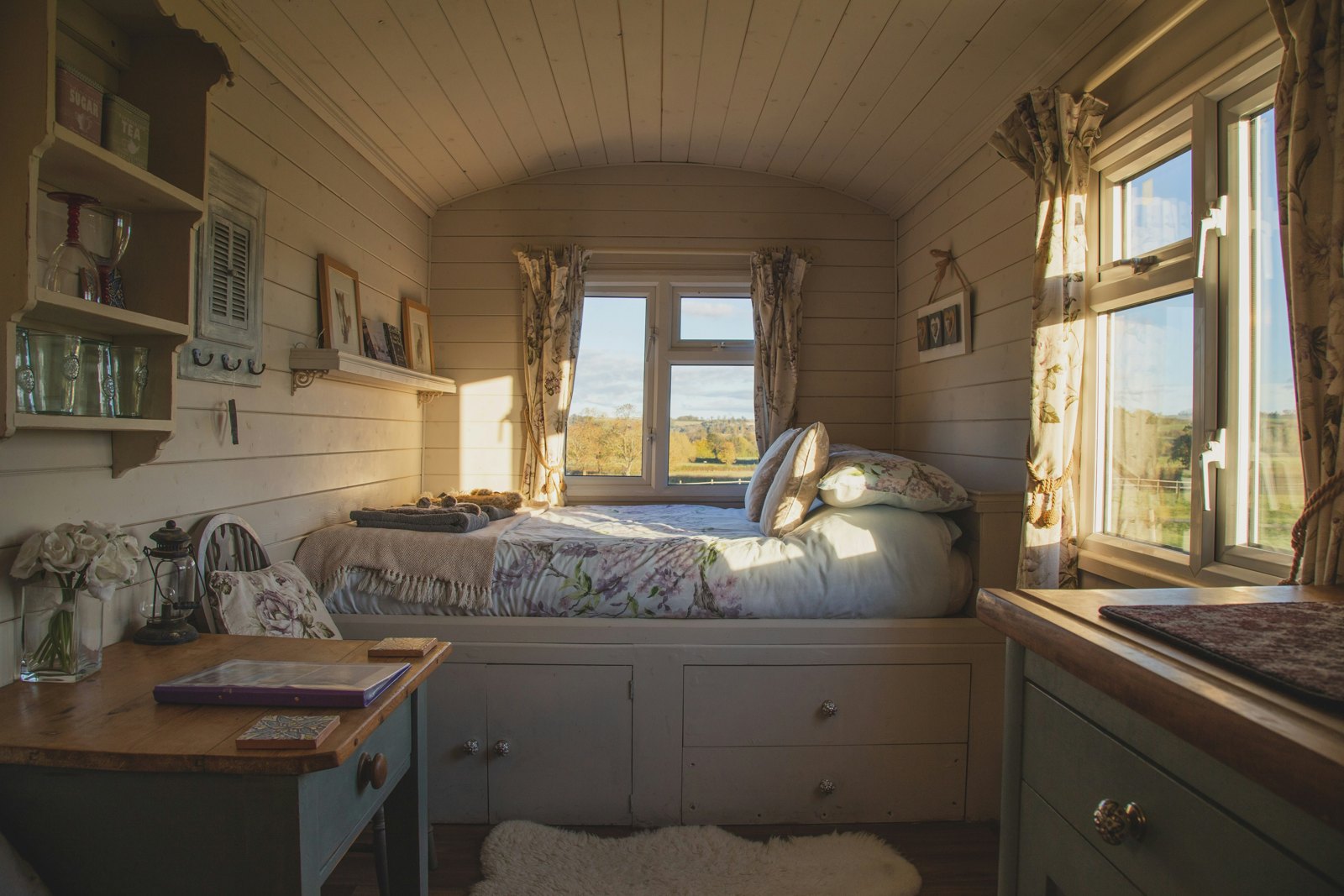
The people and places in these photographs provide context; they are not the site owner’s household or evidence of a product test.

A dimensional bedroom shows a dim bedside lamp, an open book, a wake-up clock, and a phone parked away from the pillow. Three adaptable steps close the day, turn down stimulation, and notice sleepiness. This is an original habit example, not a validated treatment protocol.

02 diagram

Sleeplander · Original illustration

A cutaway room shows a window with a shade blocking direct sun, a small powered screen as an avoidable heat source, a dimensional bed with removable bedding layers, and a fan circulating room air. The fan is not portrayed as lowering air temperature. Safe ventilation depends on outside conditions.

07 diagram

Sleeplander · Original illustration

A perspective mattress stack shows a protector over a topper over the mattress, with a separate foundation beneath. Length and width arrows correspond to perpendicular sides of the mattress; a vertical arrow measures the combined height from protector top to mattress bottom, excluding the foundation.

16 diagram

Sleeplander · Original illustration

Two detailed mattress cross sections compare a level mattress with a firm-feeling surface and a mattress with a dip. A topper changes the first surface but follows the dipped contour in the second. The diagrams distinguish comfort layers from structural support and do not depict measured pressure or an exact mattress model.

22 diagram

Sleeplander · Original illustration

Two dimensional mattresses show a fitted protector with a top panel and an elastic skirt leaving the underside open, and a zippered encasement enclosing all six sides. Fabric folds and zipper teeth explain fit and closure. These are concept illustrations, not exact products, waterproof-performance results or pest certifications.

25 diagram

Sleeplander · Original illustration

Seven dimensional bed icons and seven nightly time bands show variable bedtime but a shared morning wake-up anchor. This is an original scheduling example, not prescribed bedtime, sleep duration or treatment.

01 diagram

Sleeplander · Original illustration

Two cups with handles, saucers and liquid are placed on a morning-to-bedtime timeline, beside a written drink log and clock. An earlier last-caffeine arrow illustrates a personal observation exercise. No caffeine dose, concentration, safe limit or universal cutoff is depicted.

03 diagram

Sleeplander · Original illustration

A paper diary drawn in perspective sits beside a pencil. The six invented sample entries cover approximate bed and wake times, overnight waking, caffeine, comfort and daytime context. The example does not diagnose a sleep condition or represent a real person’s medical record.

04 diagram

Sleeplander · Original illustration

A person rests on a dimensional sofa beside a daylight window and timer clock. A rest-to-wake-to-resume sequence illustrates planning recovery time after a nap, without prescribing a nap length, claiming alertness performance or depicting driving.

05 diagram

Sleeplander · Original illustration

A bedroom cutaway contains a night window with moonlight, a dimensional bed, an evening drink, a warm-room note and a small device with sound waves. Callouts locate light, drink timing, noise and comfort as observations to record, not diagnosed causes or product-treatment claims.

06 diagram

Sleeplander · Original illustration

A dimensional window has a rod, two folded curtain panels, width and drop measurements, and a visible center opening. A larger side-gap cutaway shows light traveling around the fabric edge. No universal mounting distance, anchoring load or exact curtain product is specified.

08 diagram

Sleeplander · Original illustration

A room cutaway shows a street vehicle outside a window, arrows passing through the window opening, a door-bottom gap and a bed farther into the room. The scene distinguishes source and transmission path; it does not claim acoustic ratings, a guaranteed quiet room or hearing-safe device volume.

09 diagram

Sleeplander · Original illustration

Two top-down floor plans depict the same 8-by-10-foot example room, nominal 60-by-80-inch mattress, cabinet and swinging door at a shared scale. A centered bed and a bed beside a wall offer different access routes. The dimensions describe an original example, not a building-code clearance or a guarantee that a particular bed frame fits.

10 diagram

Sleeplander · Original illustration

A dimensional shared bed carries two separate covers. One side has an additional folded blanket. Two small layer cross sections reinforce that each side can be adjusted independently while room air remains shared. No temperature performance, universal fabric choice or health explanation is claimed.

11 diagram

Sleeplander · Original illustration

A dimensional guest bedroom shows a bed, a bedside lamp and charging spot, an upright luggage area, and a fresh spare-linen kit. The scene illustrates practical placement and a clean-versus-used linen handoff, without pretending to show a particular hotel, a tested product or an electrical installation specification.

12 diagram

Sleeplander · Original illustration

Two enlarged dimensional yarn grids show plain percale-style one-over-one crossings and a five-yarn sateen example with longer horizontal floats and a two-position repeat offset. A small bed places the weave in bedding context. The drawing illustrates structure, not a cooling test, a specific sheet or every possible sateen repeat.

13 diagram

Sleeplander · Original illustration

A bamboo plant, dimensional pulp-processing vessel, spinneret with fiber strands, and example finished-fiber label illustrate regenerated textile production. The generic process sketch does not compare rayon and lyocell chemistry, promise a closed loop, certify sustainability, or claim chemical-free or antibacterial bedding.

14 diagram

Sleeplander · Original illustration

A countable coarse six-by-six yarn grid represents a one-inch counting example with dimension arrows. Six vertical and six horizontal yarns add to twelve in the teaching model. A separate twisted two-ply yarn detail shows strands within a yarn. This is not the thread count of any pictured sheet or a quality rating.

15 diagram

Sleeplander · Original illustration

A dimensional laundry setting contains a front-loading washer with visible fabric, a laundry basket, and a tied care label. The label uses generic instruction headings instead of prescribing universal temperature, bleach or dryer settings. The scene illustrates following the actual item’s instructions and drying completely.

17 diagram

Sleeplander · Original illustration

Two cross sections show a person resting on a pillow over a mattress in side-sleeping and back-sleeping examples. Vertical arrows measure pillow height after compression, with different illustrative gaps. No exact human anatomy, universally correct loft, cervical alignment diagnosis or clinical fitting formula is supplied.

18 diagram

Sleeplander · Original illustration

An exploded dimensional duvet shows an open removable cover above a separate filled insert, with edge fasteners and quilting. Two lower cutaway examples distinguish a finished comforter and stitched quilt layers. The drawing is a generic bedding explanation, not a specific product, fill-weight comparison or guaranteed size match.

19 diagram

Sleeplander · Original illustration

Six dimensional mattress outlines are drawn at the same three-pixels-per-inch reference scale: Twin 38 by 75, Twin XL 38 by 80, Full 53 by 75, Queen 60 by 80, King 76 by 80 and California King 72 by 84 inches. These values follow the article’s verified Casper size table, not a guarantee that every maker or model uses identical dimensions. Frame footprint must be checked separately.

20 diagram

Sleeplander · Original illustration

A person rests above a cutaway mattress with a surface comfort layer, transition layer, visible supporting core coils and a separate foundation. A second detail compares illustrative local indentation under a hand. The scene distinguishes surface response from the supporting system and supplies no measured pressure, firmness score, clinical spinal assessment or universal material ranking.

21 diagram

Sleeplander · Original illustration

Three dimensional support-base examples show a box spring with visible coils, a foundation with a rigid frame and fixed slats, and a platform frame with slats, a center beam and support legs. These are generic constructions, not all products sold under each name. Slat spacing and compatibility must follow the exact mattress and base manufacturers.

23 diagram

Sleeplander · Original illustration

Two generic dimensional pillows have an open liner, visible removable filling pieces, zipper closures, and a bowl storing removed fill. Two lower pillow-and-head cross sections show different qualitative compressed heights. These are concept sketches, not the exact comparison products, their fill materials, measured loft or a comfort ranking.

24 diagram

Sleeplander · Original illustration

What’s on your mind?

Search our practical sleep and bedding guides.

Press Esc to close