
Dust mites thrive in warm, damp bedding and mattresses, often triggering allergies and asthma for many Americans. Choosing a safe, effective approach matters, especially for homes with kids or pets. This guide highlights five Amazon options that target dust mites on mattresses and bedding, spanning natural sprays, multi-mite killers, and durable protective encasements. Each product has a distinct strength, from rapid mite elimination to long-lasting mattress protection. Read on to compare forms, safety, and practical use to help you decide which solution best fits your sleep environment.
| Product | Brand | Focus |
|---|---|---|
| Mite-B-Gone Mite Killer Spray | Naturasil | All mites; bedding and furniture; pet-safe |
| Premo Guard Mite Treatment Spray | Premo Guard | Natural, non-toxic; bedding and surfaces |
| DustmiteX Spray | The Ecology Works | Kills dust mites at the source; long-lasting protection |
| RID Home Lice Bed Bug Dust Mite Spray | RID | Kills lice, bed bugs, and dust mites |
| HOSPITOLOGY Mattress Encasement | HOSPITOLOGY PRODUCTS | Zippered, waterproof encasement; dust mites and bed bugs |
Mite-B-Gone Mite Killer Spray
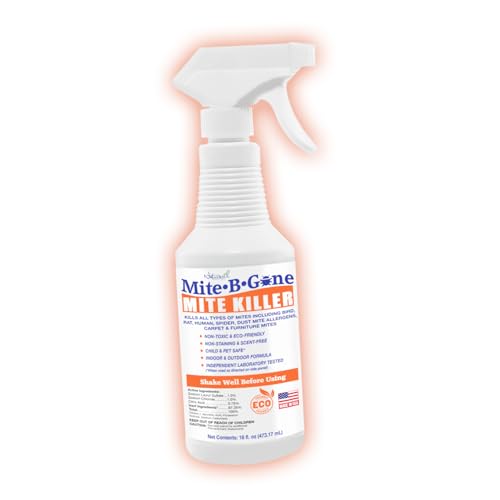
The Mite-B-Gone Mite Killer Spray is designed to wipe out a broad range of household mites, including dust mites, spider mites, and other pests that invade bedding and furniture. The formula emphasizes natural ingredients listed under the EPA’s 25(b) program, offering a less harmful option for households seeking toxin-conscious pest control. It claims rapid action, aggressively tackling mites within minutes of contact, which helps reduce immediate allergen exposure in bedrooms and upholstered surfaces. The product is advertised as safe for use around people and pets, extending its suitability to mattress and bedding treatment, pet bedding, and even car interiors.
Key features include effectiveness against multiple mite life stages (adults and nymphs) and a focus on indoor and outdoor use. The spray is positioned as compatible with bedding, mattresses, carpets, and pet areas, making it a versatile option for treating a wide range of mite-infested zones. While relying on natural ingredients, users should follow application instructions to ensure complete drying and to minimize any potential residue on fabrics. The fast-acting claim aims to deliver rapid relief from mite-related irritants on contact.
Premo Guard Mite Treatment Spray

Premo Guard Mite Treatment Spray emphasizes SAFE, NATURAL, and NON-TOXIC ingredients derived from organic sources. Marketed as suitable for the entire home, including bedding, carpets, and pet areas, it is positioned as a friendly option for allergy and asthma sufferers. The product is described as fragrance-free with no harmful fumes, reducing the risk of odor or irritants in sleeping spaces. Its use extends from bedrooms to travel and farm environments, including chicken coops and cages, which broadens its appeal to households with animals or outdoor spaces. The natural formulation aligns with households seeking gentler yet effective mite control.
According to its claims, Premo Guard has been tested to effectively kill a wide range of mite species, including those found in pet bedding and animal enclosures. The spray is advertised as non-staining, making it suitable for sheets, mattresses, curtains, and upholstered furniture without leaving marks. The combination of natural ingredients and broad applicability makes Premo Guard a versatile choice for those seeking a non-toxic, all-around mite treatment option for multiple surfaces and environments.
DustmiteX Spray By Ecology Works

DustmiteX Spray from The Ecology Works targets dust mites at the source, addressing a primary trigger for allergies and asthma. The product emphasizes a direct approach—killing the mite rather than merely removing waste or superficially treating symptoms. A notable feature is its coverage capability, with the ability to treat up to 100 square feet per spray bottle, and a claim of effectiveness lasting up to six months per application. This makes it suitable for bedrooms and other sleeping areas where long-lasting mite suppression is desirable. The formula is presented as easy to apply to bedding, mattresses, and surrounding fabric surfaces.
From a user perspective, this spray is positioned as a straightforward, practical solution for regular maintenance. The product’s emphasis on eliminating the mite at its source can be attractive for households seeking a more durable reduction in mite-related allergens. For best results, it is advisable to follow recommended reapplication intervals and combine with routine laundering of sheets and pillowcases to maintain lower allergen levels over time.
RID Home Lice Bed Bug Dust Mite Spray

RID Home Lice Bed Bug Dust Mite Spray is a familiar brand in household pest control and is marketed for killing lice and their eggs, in addition to bed bugs and dust mites. The multi-action approach targets several common pests that may inhabit mattresses, furniture, and non-washable surfaces. The product highlights its efficacy against bed bugs and dust mites as part of a broader pest-control strategy, making it suitable for treating mattresses, sofas, car interiors, and other non-washable items. This makes it a versatile option for households dealing with a range of pests beyond just mites.
Applied as a surface spray to bedding and furniture, the RID formula aims to address both visible pests and hidden mites. For mattress-related concerns, applying to seams, tufts, and folds can help reach mites that dwell in those areas. While marketed for multiple pests, users should follow label directions and consider rotating treatments with laundering to maximize overall cleanliness and minimize exposure to allergens.
HOSPITOLOGY Mattress Encasement

The HOSPITOLOGY Mattress Encasement is a zippered protective cover designed to create a six-sided, fully enclosed barrier around a mattress. It’s specified as 100% waterproof and lab-tested, offering a durable defense against dust mites and bed bugs by preventing them from occupying and infesting the mattress itself. The wrap-around, stretchable knitted fabric provides a comfortable feel while maintaining a breathable membrane to avoid heat buildup. With standard queen dimensions (60″ x 80″ and depth up to 18″), this encasement is tailored for common sleeping setups and can be combined with washes of linens to reduce mite exposure.
Protective encasements like this are a different category from sprays, focusing on containment rather than chemical elimination. They work well as part of a comprehensive mite-management plan, especially for households seeking a non-chemical defense. The waterproof barrier helps keep allergens at bay and simplifies maintenance by reducing direct contact between sleepers and the mattress surface, while also improving the longevity of the mattress by preventing moisture and stains from seeping in.
Buying Guide
Key purchase considerations
- Form and approach: Sprays deliver chemical or natural mites elimination, while encasements physically block mites from contacting the mattress. Your choice depends on whether you want a treatment or a protective barrier, or both.
- Safety and ingredients: Natural and non-toxic formulations are ideal for homes with children and pets. If anyone has chemical sensitivities, look for fragrance-free options and label-specified safety notes.
- Coverage area and duration: Some sprays specify coverage per application (e.g., up to 100 square feet) and duration (e.g., protection for several months). Encasements provide ongoing protection as long as they fit the mattress and are well-sealed.
- Mattress compatibility: Ensure the product dimensions suit your mattress size (queen, king, etc.). Encasements should match the mattress depth to avoid gaps where mites can hide.
- Effectiveness against multiple pests: If you have multiple pests (bed bugs, lice, dust mites), consider multi-action products or a combination of a spray and encasement.
- Ease of use and maintenance: Sprays require regular reapplication and cleaning of bedding; encasements require laundering of sheets and vacuuming the mattress cover surface to maintain protection.
- Certifications and testing: Look for labels or claims such as EPA registration, 25(b) natural listing, or lab-tested efficacy to gauge reliability and safety.
Practical best-practice recommendations
- Start with a thorough cleaning: Vacuum the mattress, bedding, and surrounding furniture to remove loose mites and debris before applying any product.
- Apply according to label directions: Follow spraying intervals and allow surfaces to dry completely before re-sleeping on treated areas.
- Combine approaches: For robust results, use a protective encasement on the mattress and apply a targeted spray to seams, edges, and surrounding fabric where mites congregate.
- Launder bedding regularly: Wash sheets, pillowcases, and duvet covers in hot water to kill any remaining mites, and rotate or replace items as needed.
- Monitor and adjust: If symptoms persist, reassess product choice, reapply as recommended, or consult a pest-control professional for integrated strategies.